Vet's Best
Vet's Best is an American brand (The Bramton Company) built around plant-derived actives for the everyday maintenance jobs that sit between vet visits: teeth, ears, eyes, skin and coat. The range splits into four groups — dental care, ear and eye care, skin and coat care, and flea and tick grooming. None of these are medicines. They are the upkeep that keeps small problems from becoming vet problems, and they work best used regularly rather than reached for in a crisis.
One thing worth knowing before you buy: Vet's Best sells two parallel pack lines. The international pack is metric (250ml sprays, 500ml shampoos, 90g and 45g dental powders) and the US pack is imperial (3.5 oz toothpaste, 50-count wipes). Some products exist in only one of the two, and a few products that share a name have different formulations between the lines. Check the ingredient list on the product page rather than assuming.
Dental care: what actually works
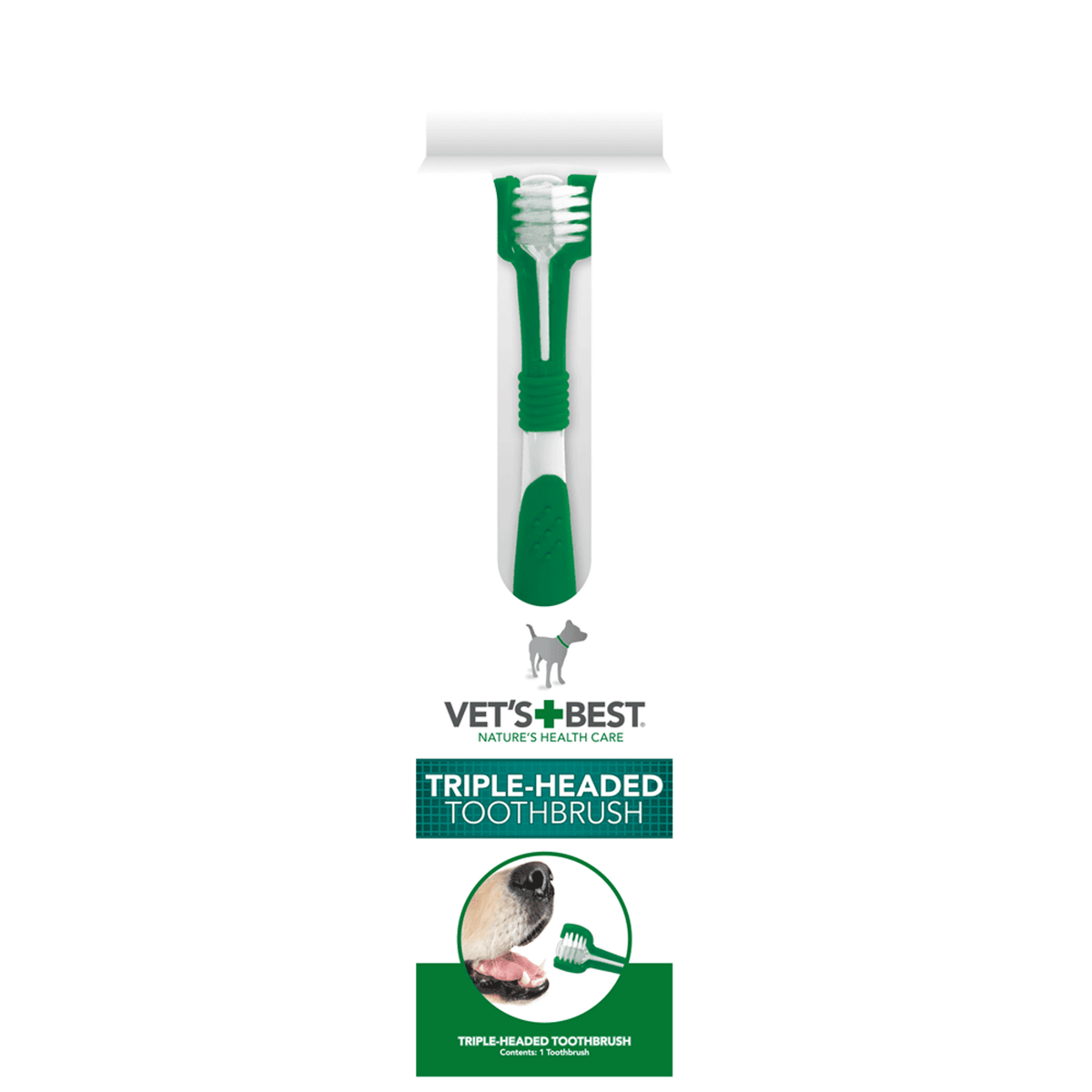
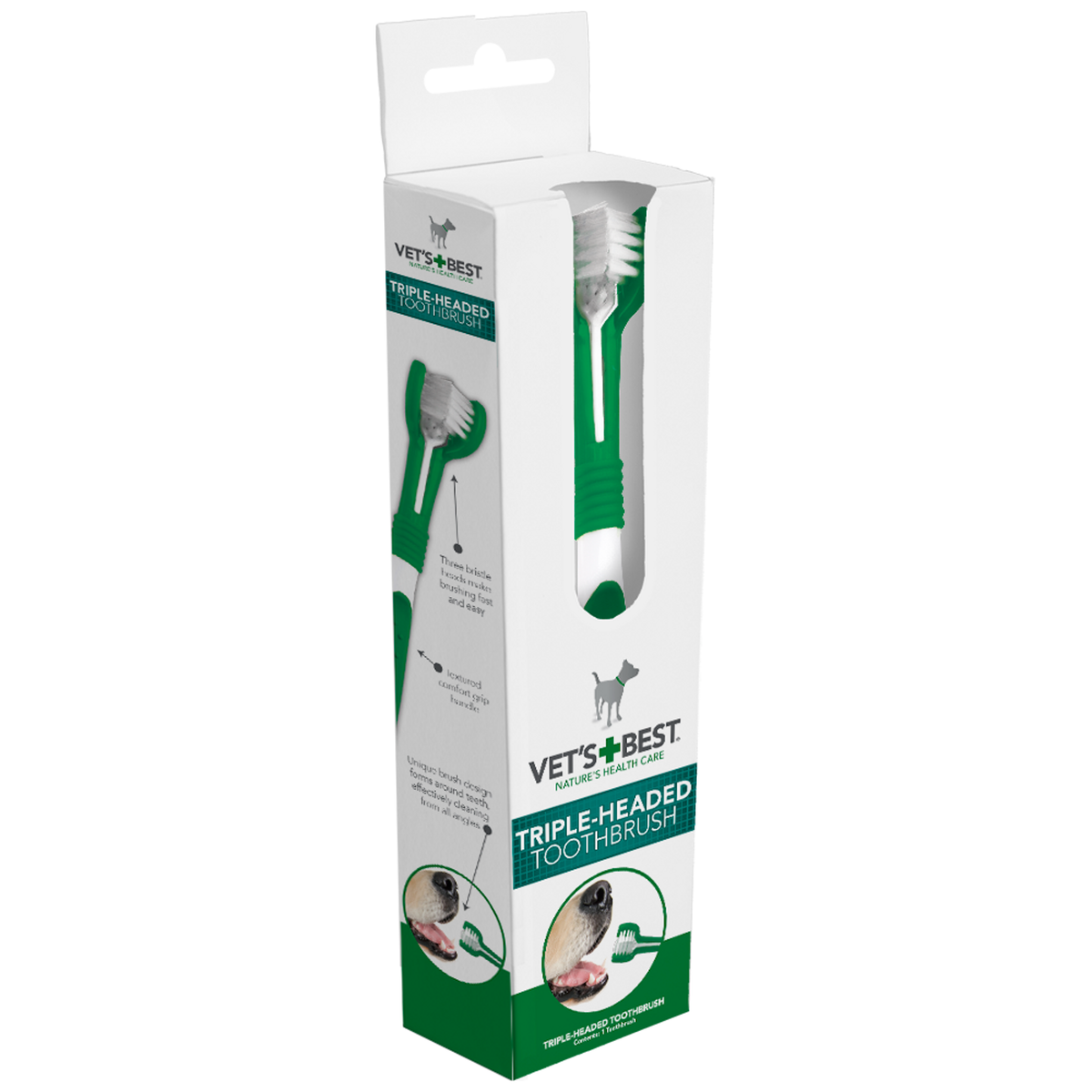
Brushing is the only thing that reliably removes plaque before it hardens, and the honest benchmark is daily. Three times a week still helps; once a month does nothing much. Thirty seconds of real brushing along the gum line beats two minutes of wrestling, and the gum line is the part that matters — that is where plaque turns into tartar and tartar turns into gum disease.
The enzymatic pastes are worth understanding. Glucose oxidase is an enzyme that reacts with sugars in saliva to produce a small, ongoing antibacterial effect, so the paste keeps working for a while after you stop. That is a genuine bonus, but it is a bonus on top of the bristles doing the mechanical work — it is not a replacement for brushing. Never use human toothpaste on a pet: fluoride and xylitol are both dangerous for a dog that swallows what you put in its mouth.
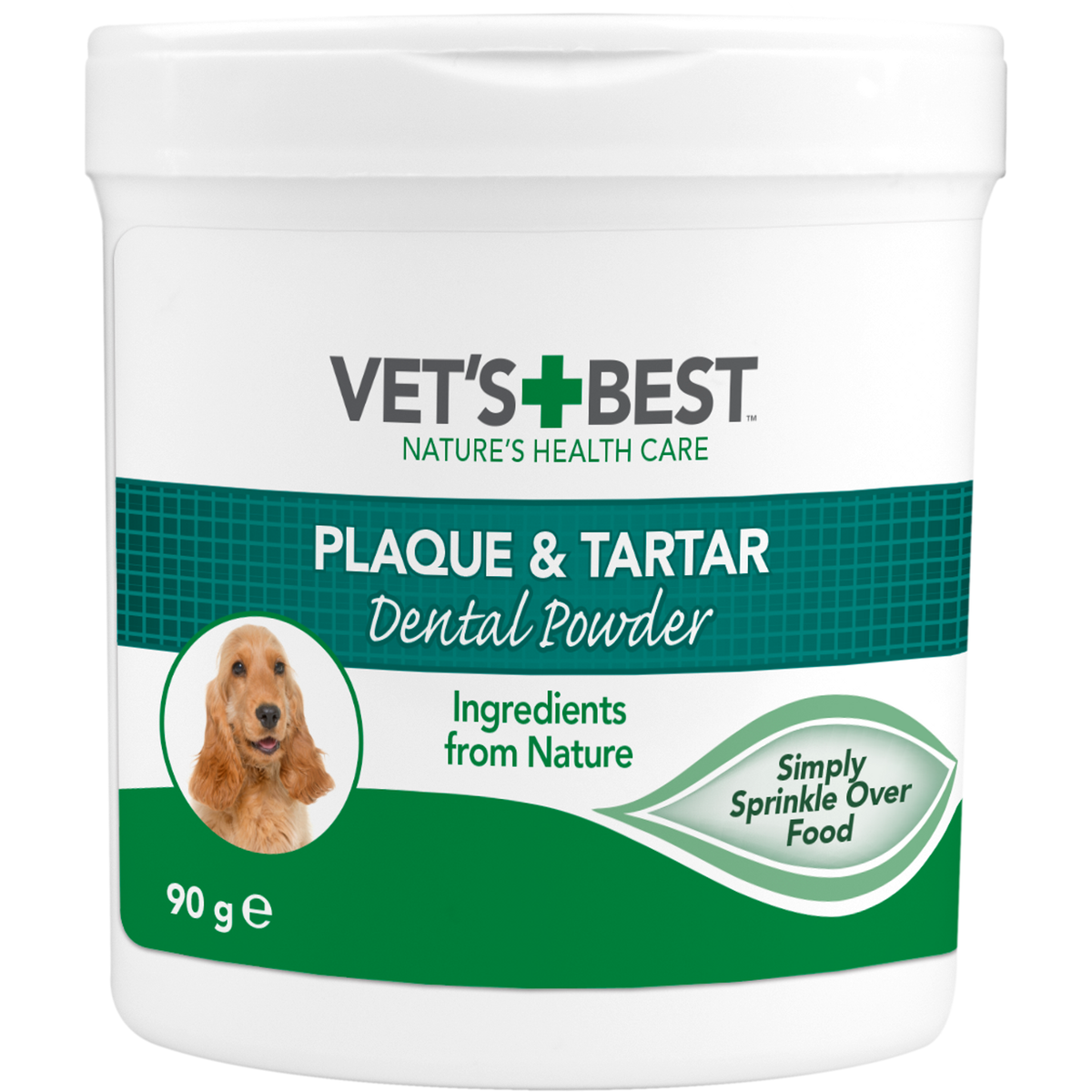
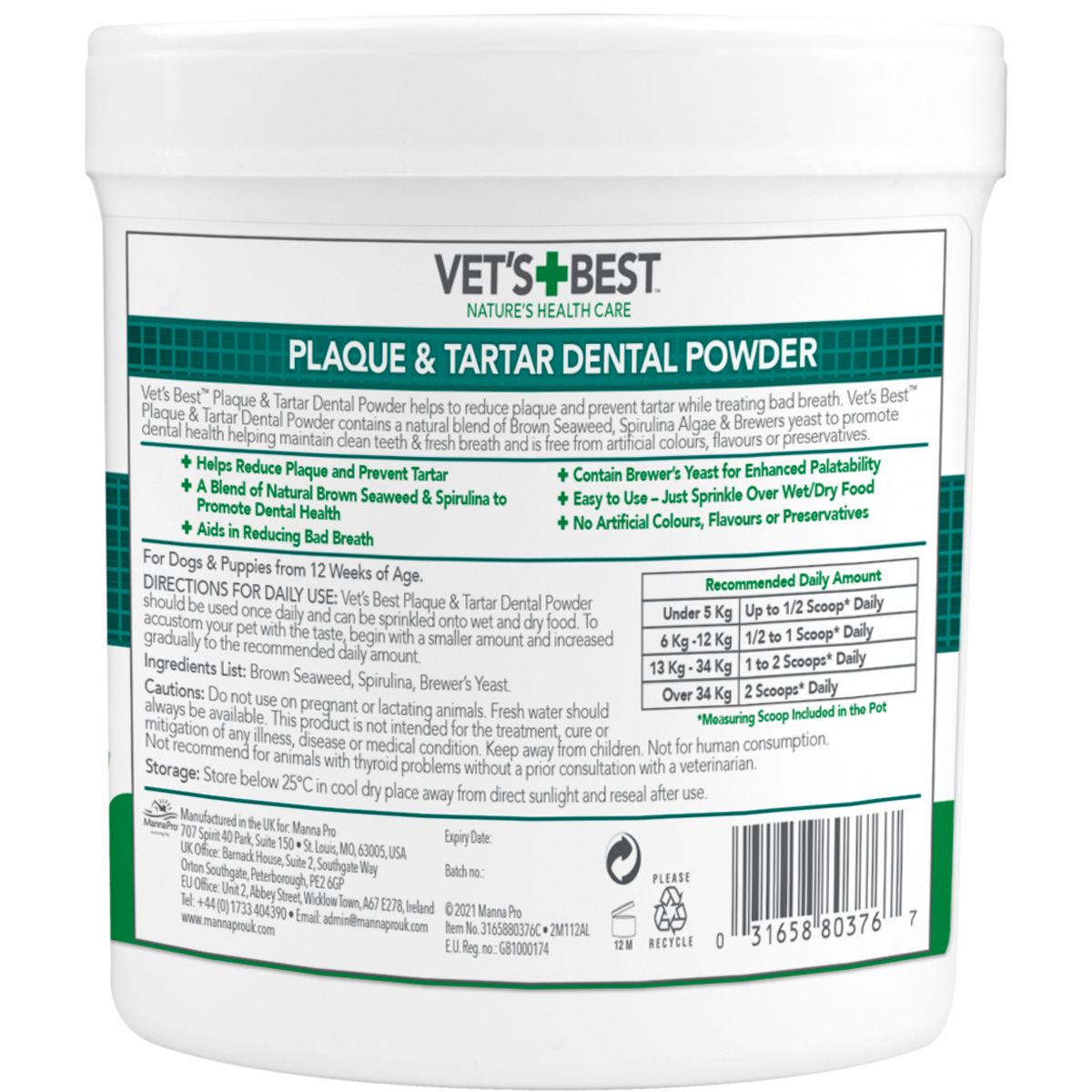
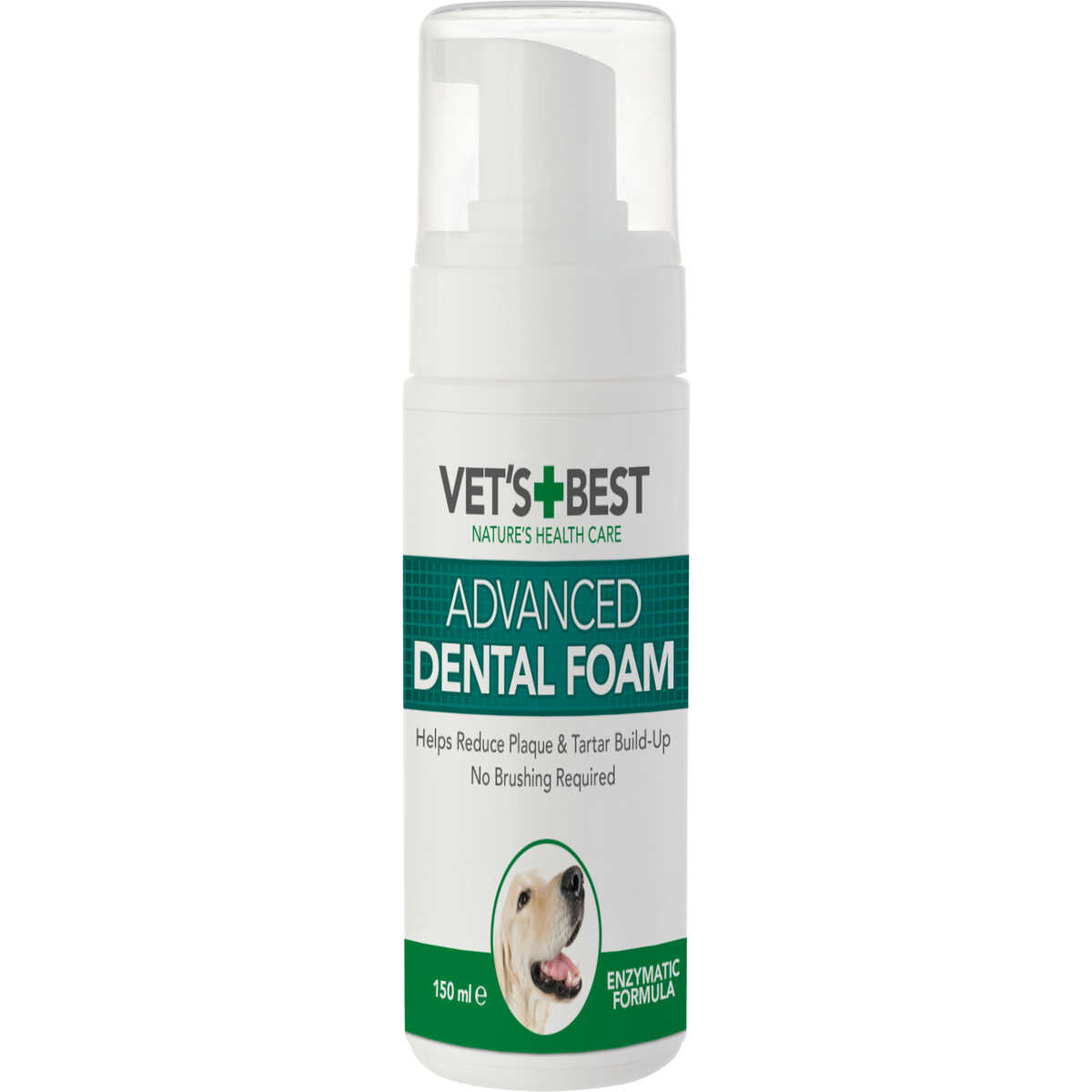
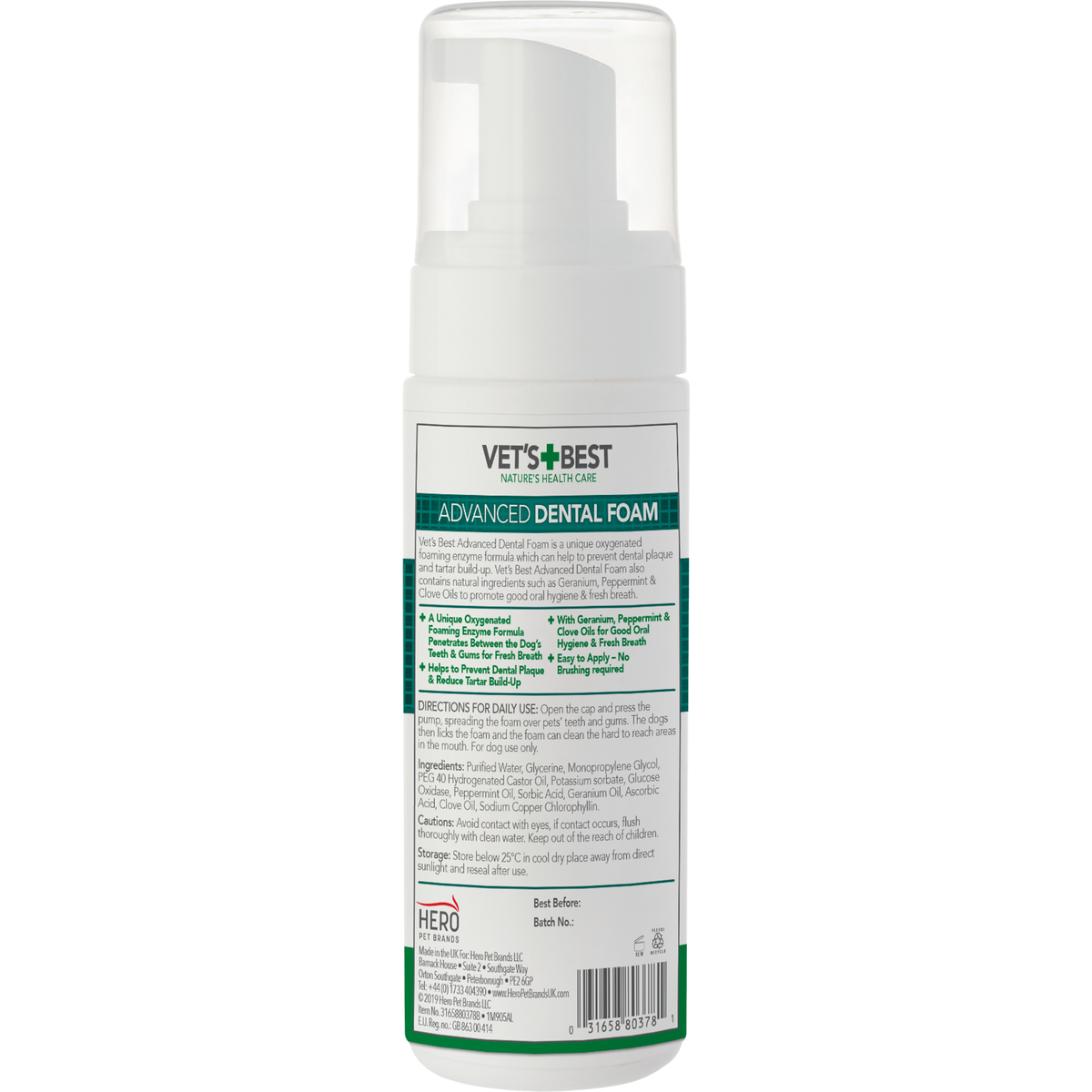
If your pet will not accept a brush at all, the fallbacks in order of usefulness are finger wipes, then a brush-free foam, then a water additive or a kelp-based food powder. Each does less than brushing, and all of them share one hard limit: nothing in this range removes tartar that has already hardened onto the tooth. A visible brown band at the gum line, red or bleeding gums, a bad smell that will not shift, or a pet chewing on one side only means a vet dental — scale and polish under anaesthetic. Start a home routine afterwards, not instead.
- Enzymatic Dog Toothpaste and the Dental Care Kit for Dogs — start here if your dog tolerates a brush.
- Dental Powder for Cats — a food topper, for the many cats that will never let you near their teeth.
- All dental care at PeekAPaw
Ear and eye care: maintenance, not treatment
This is the distinction most owners get wrong, so it is worth being blunt about. Ear wipes and ear washes are routine maintenance. They lift wax, grit and moisture out of the ear flap and the opening of the canal before it builds up, and used weekly they genuinely reduce how often things go wrong — particularly for floppy-eared breeds, dogs that swim, and anything with a narrow or hairy canal.
What they are not is a treatment for an ear infection. If your dog is shaking its head, tilting it to one side, scratching at one ear, or the ear is hot, red, swollen, painful or smells yeasty or sour, stop wiping and see a vet. Otitis needs the canal examined with an otoscope, the discharge looked at under a microscope, and usually a prescription. Putting drops or wash into an ear with a perforated eardrum can do real damage, and only a vet can tell you whether the eardrum is intact. Wiping a sore ear also buys you a dog that will not let you touch its ears again.
Around the eyes, the pads shift discharge and tear staining that has already dried onto the coat. They do not fix the cause. Persistent heavy tear staining usually traces back to a blocked tear duct, facial conformation in flat-faced breeds, or an irritant — all worth a vet conversation. Any weeping, squinting, cloudy or reddened eye is urgent.
Skin and coat: when a spray is not enough
The itch-relief sprays and shampoos work on one specific problem: allergens sitting on the coat and skin. Washing pollen, grass and dust off a dog that has been out in it does help, and an oatmeal or tea tree spray gives real relief on a patch that has just started to bother your dog.
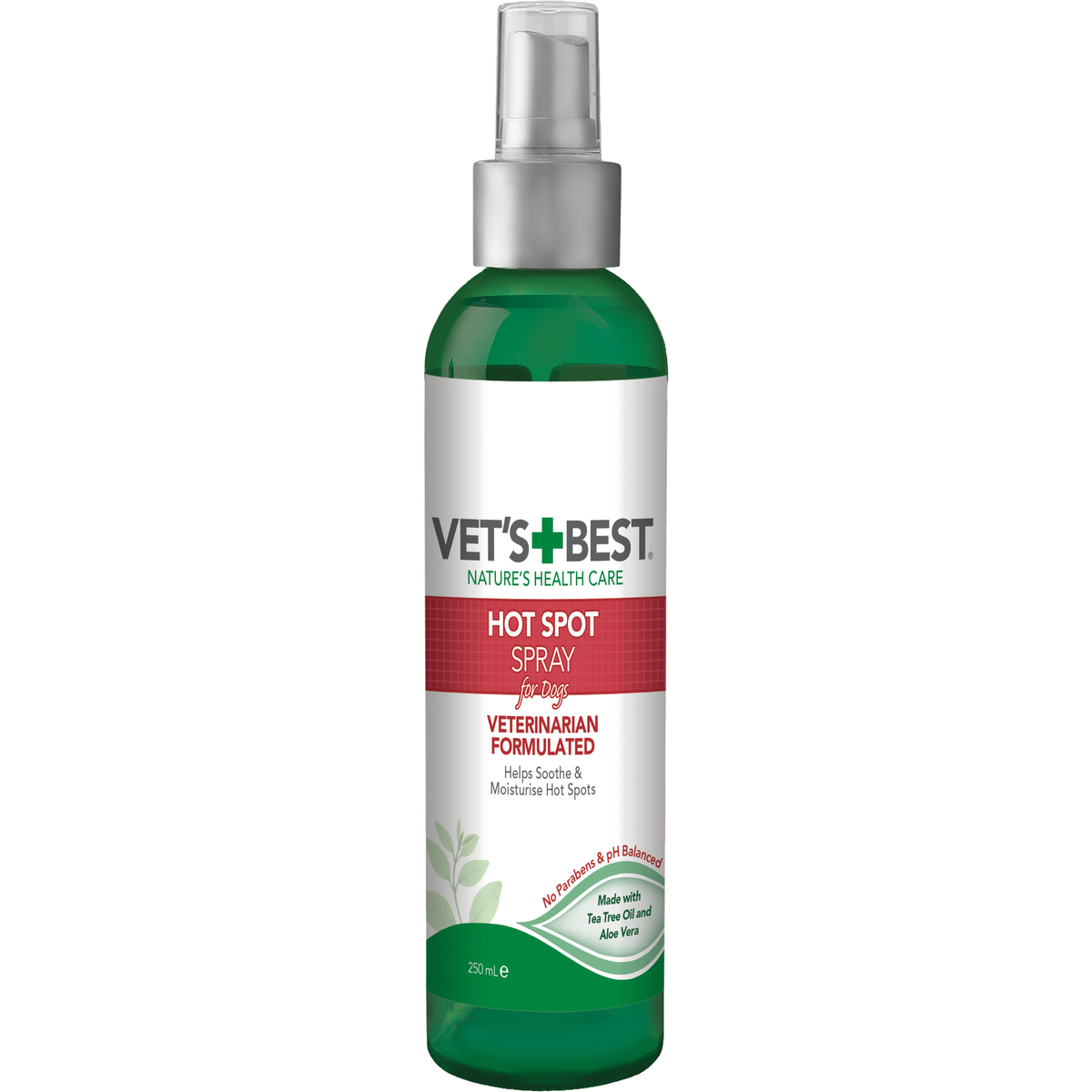
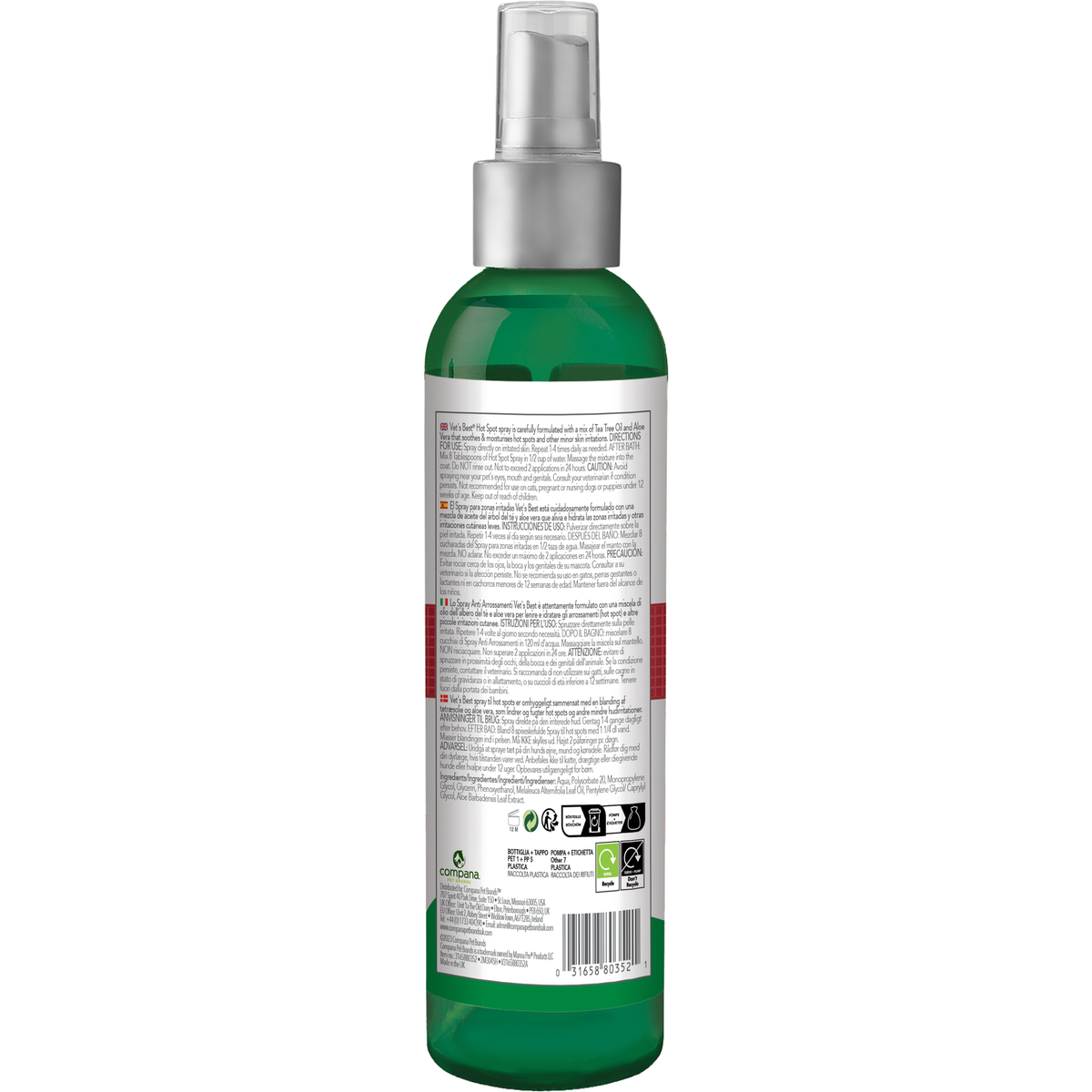
Hot spots are where judgement matters. A hot spot can go from a small damp patch to a spreading, infected sore inside a day, because the dog keeps licking it. A soothing spray can break that cycle early. But if the area is weeping, smelling, spreading, or your dog will not leave it alone despite the spray, that is a vet visit — hot spots usually need clipping, cleaning and antibiotics, and there is almost always an underlying cause (fleas, allergy, an ear problem) that has to be found or it simply comes back. The same goes for itching that lasts more than a week or two: chronic itch is a diagnosis, not a shampoo choice.
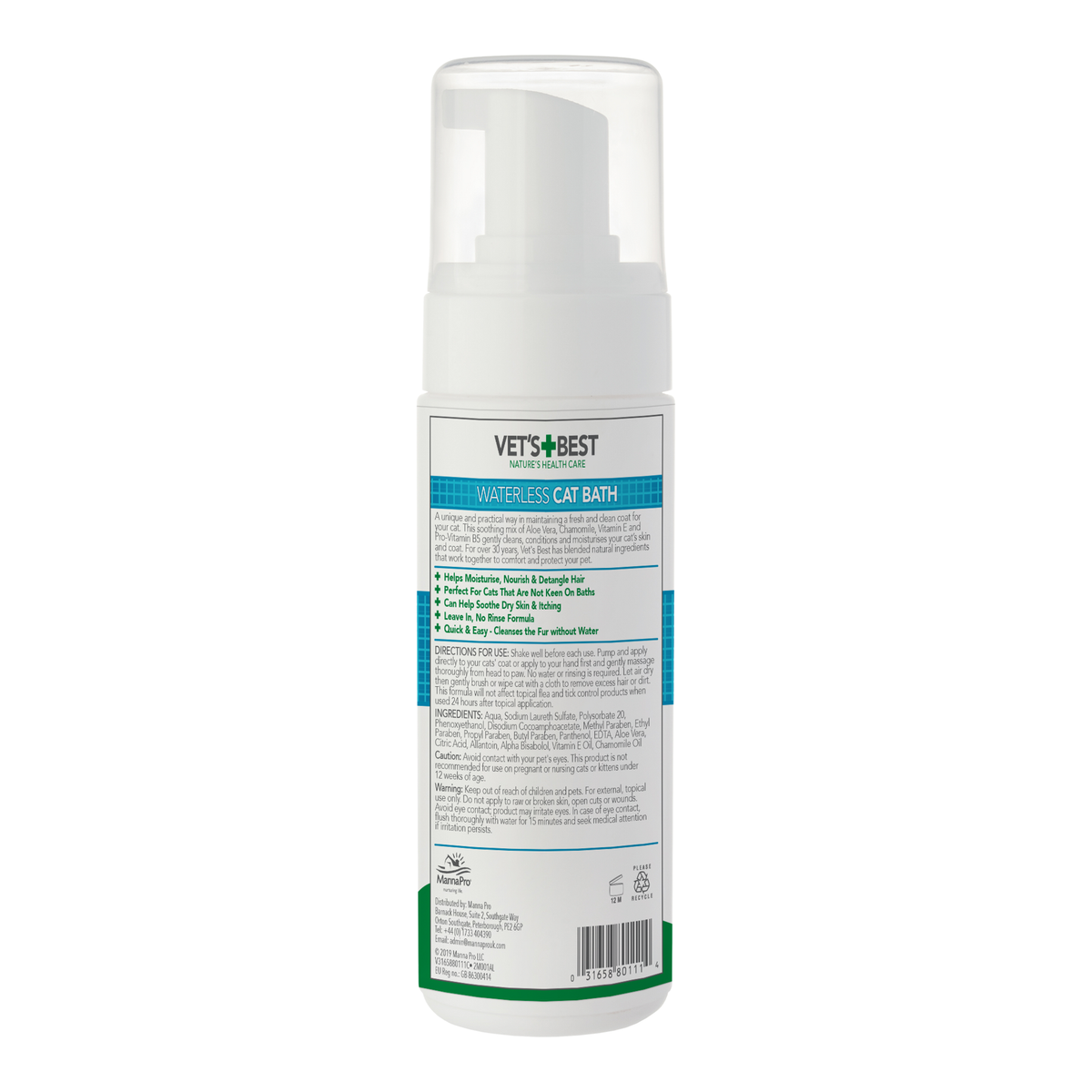
Note that the tea tree formulations in this range are for dogs. Cats metabolise essential oils differently and tea tree oil is not appropriate for feline skin — for cats, use the Waterless Cat Bath.
Ticks in Australia
If you are on the east coast, paralysis ticks are a seasonal emergency, not a grooming issue. The Stainless Steel Tick Remover is a good tool for getting a tick out whole — grip it right against the skin and pull straight out, never twist or squeeze the body, and never use methylated spirits or a hot match. But removal is the first step, not the last: a wobbly back end, a changed bark or meow, vomiting or altered breathing after a tick means a vet immediately. Your actual protection is a registered preventative from your vet plus a daily hands-on search, not a wipe.